Short answer: Heavy metals like lead, arsenic, and cadmium are found in small amounts in many foods, including baby food, because they’re in soil and water. Since January 2025, FDA guidance sets lead action levels for packaged foods for children under 2: 10 parts per billion (ppb) for most foods and 20 ppb for single-ingredient root vegetables and dry infant cereals. You can’t get exposure to zero, but the most useful things parents can do are offer a wide variety of foods, rotate grains instead of relying on rice, and limit juice.
Key takeaways
- It’s not just jars: metals come from soil and water, so they’re in homemade, organic, and store-bought food alike.
- FDA lead levels (January 2025): 10 ppb for most baby foods; 20 ppb for single-ingredient root vegetables and dry infant cereals.
- Arsenic: FDA’s only baby food level so far is 100 ppb inorganic arsenic in infant rice cereal.
- Variety is your best tool: rotate cereals and vegetables, avoid rice milk, and choose whole fruit over juice.
- No need for routine metal testing of your child because of baby food, but ask your pediatrician about lead screening.
Why are there heavy metals in baby food?
Because they’re in the environment. Lead, arsenic, cadmium, and mercury occur naturally in soil, water, and air, and some also come from past pollution such as leaded gasoline, pesticides, and industry. Plants take them up as they grow. The FDA says organic crops absorb heavy metals from the earth just like conventional crops do, and that there’s no reason to believe homemade foods contain fewer heavy metals than store-bought ones.
Babies matter most here because of their size and development. FDA notes there is no known safe level of lead exposure, that children are especially vulnerable because of their small bodies and rapid growth, and that the most serious effects can happen while the brain is developing. High exposure in early childhood is linked to learning and behavior problems and lower IQ.
Perspective helps too. The American Academy of Pediatrics says heavy metals in baby food are likely a small part of a child’s total exposure. Lead paint in older homes, water from old pipes, soil, and some imported spices and cosmetics can matter as much or more. So it’s worth looking at the whole picture rather than worrying about one jar.
What are the FDA limits for heavy metals in baby food?
The FDA works through a program called Closer to Zero, which sets action levels one metal at a time. An action level is the level at which FDA may consider a food adulterated and take enforcement action. These are guidance, not binding rules, but they give manufacturers a clear target. Here’s where things stand:
| Metal | FDA status for foods for babies and young children | Level |
|---|---|---|
| Lead | Final guidance, January 2025 (packaged foods for children under 2) | 10 ppb: fruits, most vegetables, mixtures, yogurts, custards and puddings, single-ingredient meats 20 ppb: single-ingredient root vegetables and dry infant cereals |
| Inorganic arsenic | Final guidance for infant rice cereal (2020). FDA says it’s targeting 2027 for draft levels for other baby foods. | 100 ppb in infant rice cereal |
| Cadmium | Draft guidance stage under Closer to Zero | Not final yet |
| Mercury | FDA says it is not prioritizing baby food action levels; in its testing, levels were not a health concern | None set |
Root vegetables like sweet potatoes and carrots get a higher lead level because they grow in the soil and take up more of it. That doesn’t mean they’re unsafe. They’re nutritious foods, and the advice is to include them as part of a varied diet rather than serve them at every meal.
What can parents do to reduce heavy metals in their baby’s diet?
Offer variety. That’s the main advice from both the FDA and the AAP. The FDA explains that variety means children aren’t repeatedly exposed to the same food that might contain a contaminant, and that nutrients like iron, zinc, and calcium may also help reduce how much of some metals the body absorbs. The AAP’s tips for parents:
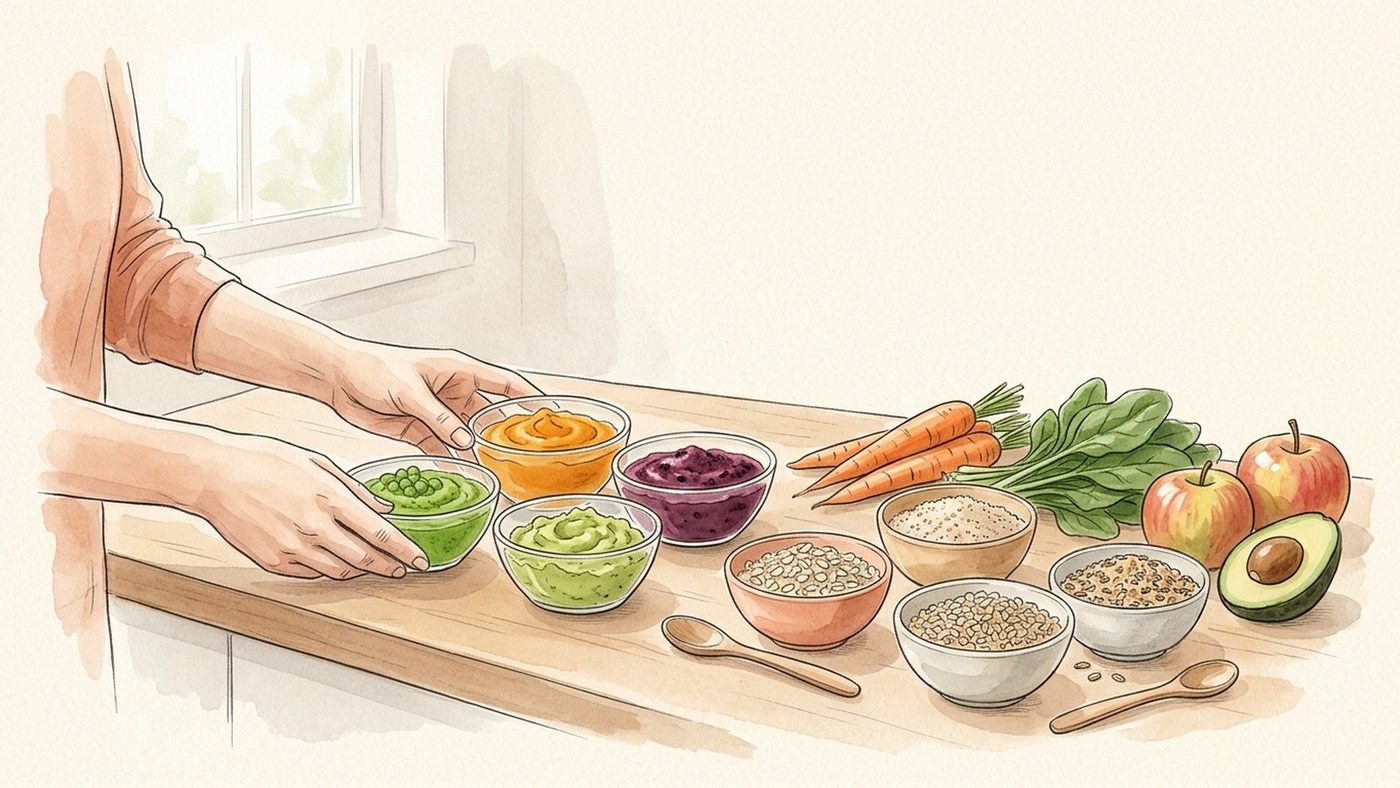
- Serve a wide range of foods. Rotate fruits, vegetables, grains, and proteins. Check the ingredient list: blends with different names often share the same main ingredients, like sweet potato or apple.
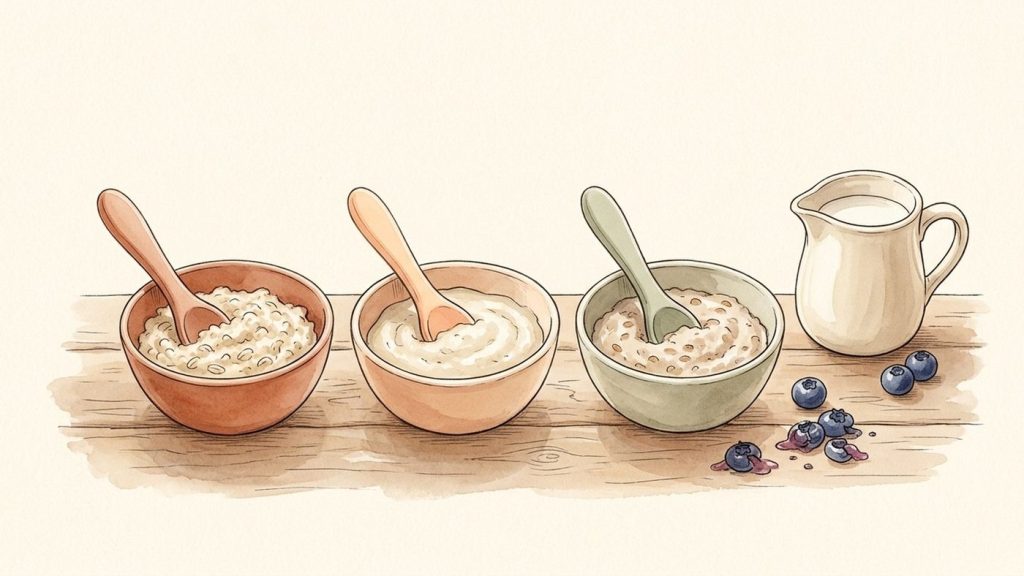
- Mix up your grains. Rice cereal isn’t required. Try iron-fortified oat, barley, or multigrain cereal. Rice tends to absorb more arsenic than other grains. Our post on whether rice cereal is safe for babies goes deeper.
- Skip rice milk and brown rice syrup. When you do cook rice, rinsing it and cooking it in extra water that you drain off can lower arsenic.
- Choose whole fruit over juice. Juice can contain metals and is high in sugar. The AAP advises no juice under 12 months. See how much juice a toddler can have.
- Pick lower-mercury fish. Salmon, cod, pollock, and light canned tuna are better choices than shark, swordfish, or albacore tuna. More in can babies eat fish.
- Wash produce before cooking or serving.
- Check your water. If you use well water or live in an older home that may have lead pipes, contact your local health department about testing.
- Think beyond food. Deal with peeling paint in older homes, be aware that soil and some imported spices and cosmetics can contain lead, and keep children away from smoke and vapor, which can contain lead and cadmium.
Iron-rich foods do double duty here. They support brain development and may reduce lead absorption. Our list of iron-rich foods for babies has easy ideas beyond rice cereal.
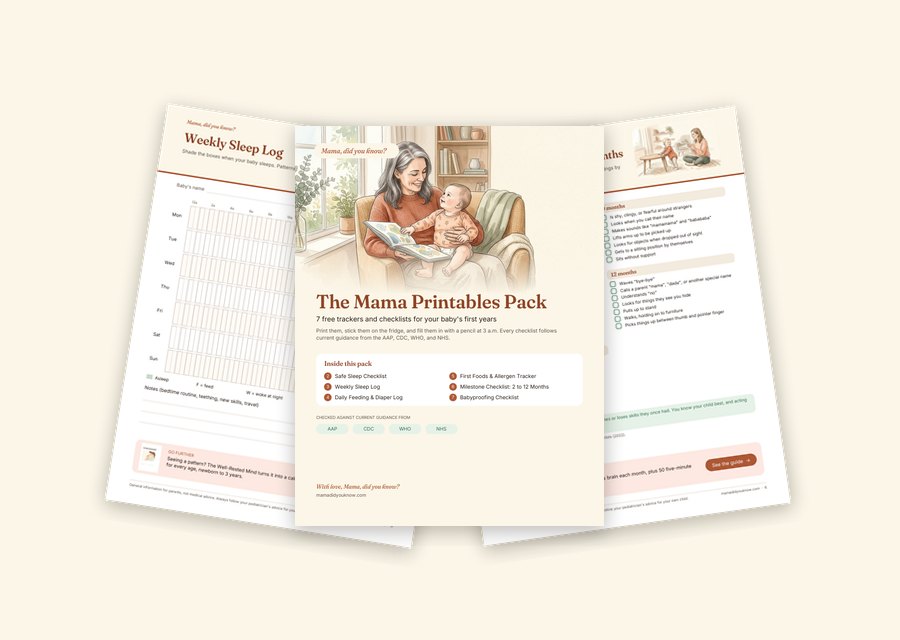
Free download
Free: first foods and allergen tracker
Tick off each allergen and new food, with space for reactions, plus a feeding and diaper log. Part of our free 7-page printables pack.
Is homemade or organic baby food safer?
Not necessarily, and this is where advice gets a little mixed. The FDA says there’s no reason to believe homemade foods contain fewer heavy metals, since the vegetables and grains come from the same soil. The AAP lists homemade food as an option worth considering, mainly because it avoids any contamination from processing, but stresses that variety still matters most.
On organic food, both agree it isn’t a fix for metals. The AAP notes organic baby foods may contain fewer pesticides but often contain similar levels of heavy metals. So choose homemade or organic for the reasons that matter to you, such as cost, taste, or texture, and don’t rely on either to solve this problem.
Should I stop buying baby food or get my child tested?
No to both, for most families. Store-bought baby food is a convenient and nutritious option, and switching brands or going fully homemade doesn’t remove exposure. Varying what’s in the jar or pouch makes more difference than which brand it is.
The AAP says there’s no need to test children for metals because of baby food alone, and it advises against hair tests, which are unproven and often inaccurate. Blood lead testing is different. It’s a routine part of well-child care in many places, often around ages 1 and 2, especially for children at higher risk, such as those living in older housing. If you’re unsure whether your child has been tested, ask your pediatrician.
What the research says: the harm from higher lead exposure in early childhood is well established. What’s less clear is how much the small amounts in baby food add to a child’s overall risk, which the AAP describes as likely small. The advice to vary foods is based on reducing repeated exposure to any one source; it’s sensible and low-cost, but it hasn’t been tested in trials measuring children’s outcomes.
Talk to your pediatrician if:
- you live in a home built before 1978 with peeling paint or renovation work, or you use well water
- your child hasn’t had a blood lead test and you’re unsure whether they need one
- your child eats non-food items like paint chips or soil, or a family member works with lead
- you notice a loss of skills, ongoing tummy pain, or unusual tiredness and irritability
- a product your child has eaten is recalled for lead or another contaminant
Frequently asked questions
Which baby foods have the most heavy metals?
Rice-based products tend to be highest in arsenic, and root vegetables and cereals can carry more lead, which is why FDA set a higher lead level for them. These foods aren’t off-limits. Serve them as part of a varied diet.
Are baby food pouches worse than jars?
Metal levels depend on the ingredients, not the packaging. Pouches are fine occasionally, but spooning food out lets your baby practice eating from a spoon.
Is rice cereal banned?
No. FDA set a 100 ppb arsenic level for infant rice cereal. The AAP says rice cereal isn’t required, and recommends mixing in other iron-fortified grains.
Do the FDA lead levels apply to toddler snacks?
The January 2025 guidance covers packaged foods intended for babies and young children under 2, such as purées and dry infant cereals. Check with the manufacturer if you’re unsure whether a product is covered.
Should I avoid sweet potatoes and carrots?
No. They’re nutritious. Just rotate them with other vegetables, such as peas, green beans, squash, and broccoli, rather than serving them every day.
Sources
- US Food and Drug Administration (2025). Guidance for Industry: Action Levels for Lead in Processed Food Intended for Babies and Young Children. fda.gov
- US Food and Drug Administration. Closer to Zero: Reducing Childhood Exposure to Heavy Metals from Foods. fda.gov
- US Food and Drug Administration (2020). Supporting Document for Action Level for Inorganic Arsenic in Rice Cereals for Infants. fda.gov
- US Food and Drug Administration. Lead in Food and Foodwares. fda.gov
- US Food and Drug Administration. Arsenic in Food. fda.gov
- American Academy of Pediatrics, HealthyChildren.org. Metals in Baby Food: What Parents Should Know. healthychildren.org
- Heyman MB, Abrams SA, AAP Committee on Nutrition (2017). Fruit Juice in Infants, Children, and Adolescents: Current Recommendations. Pediatrics. doi.org