Short answer: No. Most toddlers don’t need toddler formula, also sold as “toddler milk,” “growing-up milk,” or “Stage 3.” From 12 months, plain whole cow’s milk (or a fortified, unsweetened soy drink if needed) plus a varied diet gives children what they need. The NHS says children aged 1 to 5 don’t need formula milks of any kind, and the American Academy of Pediatrics’ 2023 report on these products flags inconsistent ingredients and questionable marketing. Studies also find toddler milks tend to contain more sugar and less protein than cow’s milk, and cost more.
Key takeaways
- Not needed: the NHS says children 1 to 5 don’t need any formula milk, including growing-up milks.
- What to offer instead: whole cow’s milk from 12 months (not before), as the CDC advises, alongside family foods.
- Nutrition: studies find toddler milks often have more sugar and less protein than whole milk, and cost more.
- Marketing concerns: packaging often looks like infant formula, which can make the products seem necessary.
- Exceptions: some children need a special formula for medical reasons. That’s a decision for your pediatrician.
Is toddler formula necessary?
No, not for healthy toddlers eating a range of foods. The NHS puts it plainly: children aged 1 to 5 years do not need formula milks, including growing-up milks, and whole cow’s milk can be the main drink from age 1. In the US, the CDC says you can introduce whole cow’s milk at 12 months (but not before), and that children can drink unflavored, unsweetened whole milk because they need the fat for growth and development.
In late 2023, the AAP’s Committee on Nutrition published a clinical report on these products, which it calls “older infant-young child formulas,” sold for children from 6 to 36 months. The report points out that they have no standard name or composition, that their marketing practices are questionable, and that many parents are unsure or mistaken about what role they play in a child’s nutrition. A 2024 review of 45 studies from 25 countries summed it up: pediatric health authorities do not support the use of toddler milk.
What’s the difference between toddler formula and infant formula?
Infant formula is strictly regulated because it’s a baby’s sole or main food. Toddler milks aren’t infant formula, even though the names and tins can look almost identical. They’re drinks marketed for children over 12 months (some “transition” products start at 9 months). A 2024 scoping review in Nutrition Reviews describes toddler milk as an ultra-processed drink made mainly of powdered milk, caloric sweeteners, and vegetable oil, with packaging that resembles infant formula.
| Infant formula | Toddler milk / “Stage 3” | Whole cow’s milk | |
|---|---|---|---|
| Who it’s for | Babies 0–12 months | Marketed for about 12–36 months | Children from 12 months |
| Needed? | Yes, if not breastfeeding | No, for healthy toddlers | A good main milk drink, with food |
| Sugar | Regulated composition | Often higher, sometimes added sweeteners | Only natural milk sugar (lactose) |
| Protein | Matched to infant needs | Often lower than cow’s milk | Higher than most toddler milks |
| Cost | High | Higher than cow’s milk | Lowest |
The sugar and protein comparisons come from studies of products on store shelves, such as a 2022 Australian analysis that found toddler milks had more sugar and carbohydrate and less protein than full-fat cow’s milk, and cost more per 100 ml. Exact amounts vary by brand, so check the label of anything you’re considering.

Why are toddler milks so popular if they’re not needed?
Largely because of marketing. Researchers have found that toddler milk packaging often looks like the infant formula from the same brand, sits beside it on the shelf, and uses claims about brain development, immunity, or “complete nutrition.” In a 2022 randomized experiment with about 2,200 US parents of children aged 1 to 5, those shown a toddler milk package with a “brain development” claim said they were more likely to give it to their child and more likely to believe a pediatrician would recommend it. Most parents in every group, including 89% of those who saw the brain claim, wrongly believed toddler milk was as healthy as or healthier than cow’s milk.
There’s also a natural logic to it. If your baby was on Stage 1 and Stage 2, a Stage 3 feels like the next step. But at 12 months, the step is actually off formula and onto regular food and milk. Our guide to transitioning from formula to whole milk explains how to make that switch.
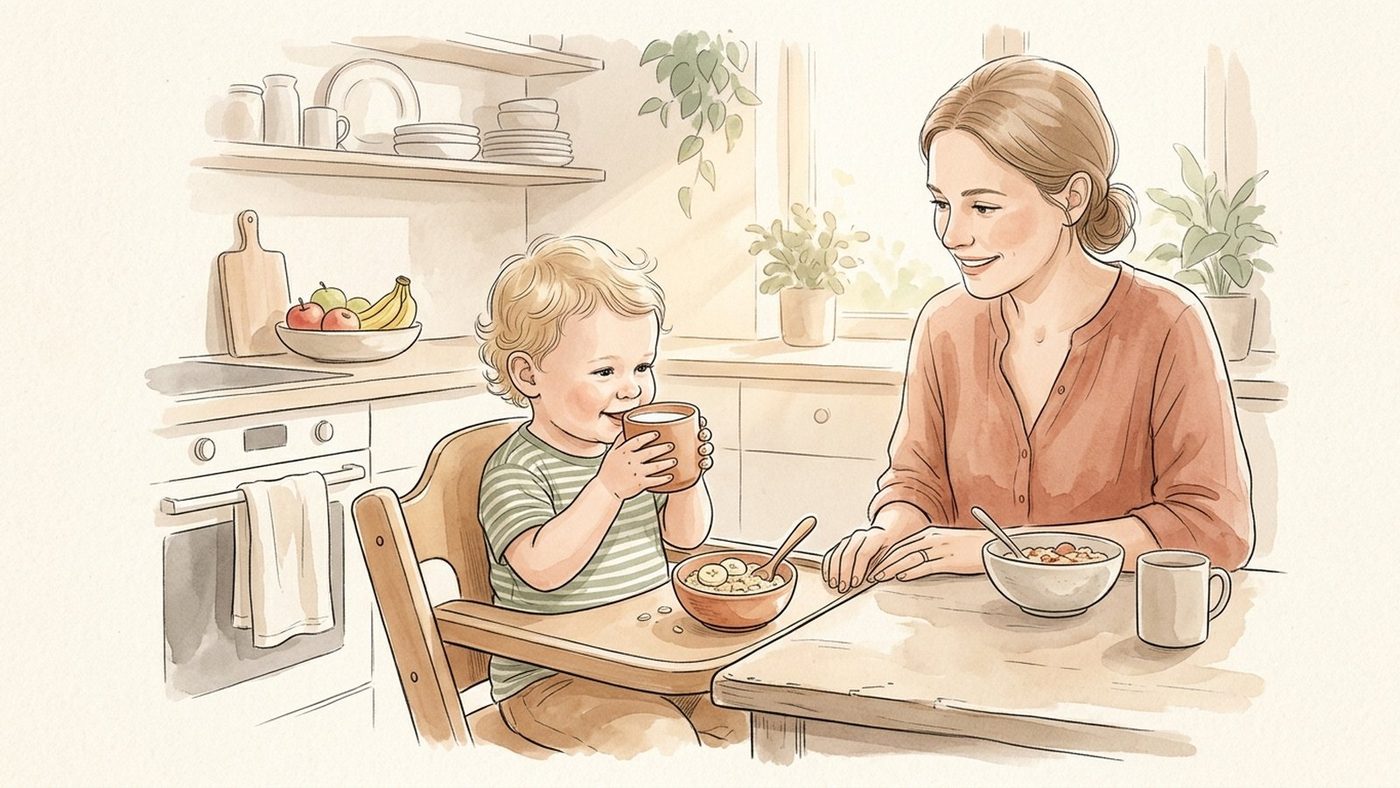
If your toddler is already drinking toddler milk, you can stop at any time. Some families switch straight to whole milk; others mix the two for a week or so, gradually adding more cow’s milk, because the taste of toddler milks is often sweeter. Either way, offer milk in a cup with meals or snacks rather than as a bottle at bedtime, and expect your child to drink a bit less for a few days while they get used to the new taste.
What the research says: there’s no good evidence that healthy toddlers who drink toddler milk do better than those who drink cow’s milk and eat a varied diet. Product analyses consistently find more sugar and less protein, but they’re snapshots of products in particular countries and years. Research on marketing and parent beliefs is strong and consistent; research on long-term health effects of toddler milk is limited.
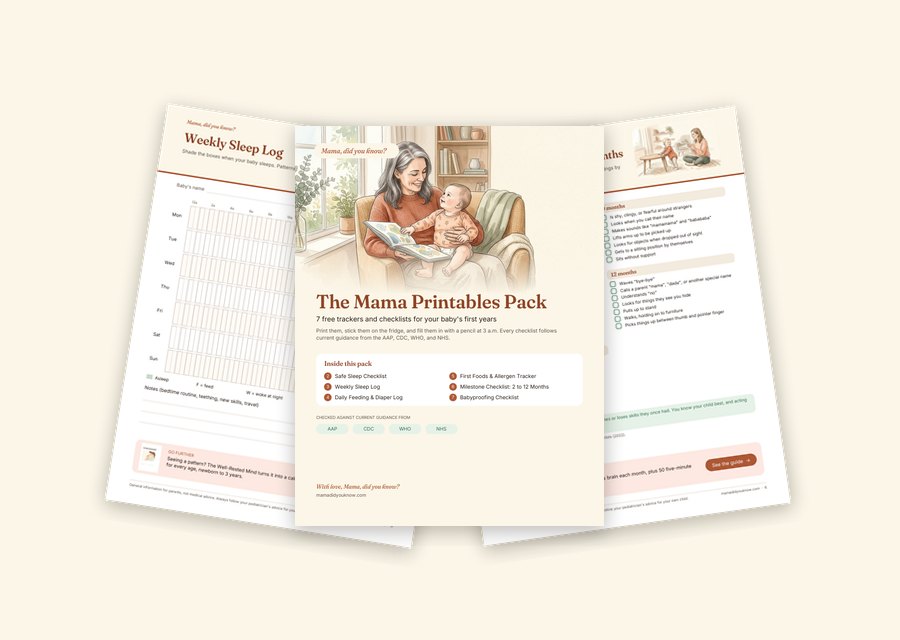
Free download
Free: first foods and allergen tracker
Tick off each allergen and new food, with space for reactions, plus a feeding and diaper log. Part of our free 7-page printables pack.
What should my toddler drink instead?
Mostly milk and water, plus food that does the heavy lifting. After the first birthday:
- Whole cow’s milk. Plain and unsweetened, from a cup. The CDC says children 12 to 23 months need about 2 servings of dairy a day, which can include milk, yogurt, and cheese. Too much milk can crowd out iron-rich foods, so see how much milk a toddler should drink.
- Water with meals and in between.
- Breast milk, if you’re still breastfeeding, for as long as you both want.
- Plant milks, if needed. The CDC says fortified dairy alternatives are the only milk alternatives that help meet a child’s dairy needs, and that they shouldn’t be given before 12 months. Unsweetened, fortified soy is usually the closest match. See can toddlers drink oat milk.
The nutrients toddler milks advertise, such as iron, vitamin D, and omega-3 fats, are better provided by food: meat, beans, eggs, fish, fortified cereals, and vegetables. Our list of iron-rich foods works for toddlers too. If you’re worried about vitamin D, ask your pediatrician whether your child needs a supplement.
What if my toddler is a picky eater?
Toddler milk usually isn’t the fix, and it can make picky eating worse. A toddler who fills up on sweet milk drinks has less appetite for meals. Picky eating is very common between ages 1 and 3, and appetite naturally drops as growth slows after the first year.
What helps more is a calm routine: regular meals and snacks, small portions, offering new foods alongside familiar ones many times, and letting your child decide how much to eat. For portion guidance, see how much a 2-year-old should eat.
Some children genuinely do need extra nutrition, for example because of slow growth, a medical condition, or a severely restricted diet. In those cases, your pediatrician or a dietitian may recommend a specific nutritional drink or specialized formula. That’s a medical decision based on your child’s needs, not a reason for every toddler to drink formula.
Talk to your pediatrician if your toddler:
- isn’t gaining weight or growing as expected, or has lost weight
- eats very few foods, gags or vomits with most textures, or meals are a constant battle
- has a cow’s milk allergy, can’t drink cow’s milk, or follows a vegan diet
- drinks a lot of milk and eats little food, or seems pale and tired
- was prescribed a specialized formula and you’re not sure whether to continue it
Frequently asked questions
Is toddler formula bad for my child?
It isn’t dangerous, but it’s unnecessary for most toddlers, often has more sugar and less protein than whole milk, and costs more. If your child has been drinking it, you can simply switch to whole milk.
Can I keep giving infant formula after 12 months?
Most children can move to whole cow’s milk around their first birthday. If your child needs to stay on formula for medical reasons, follow your pediatrician’s advice. Otherwise there’s no need to continue.
Is “transition formula” for 9-month-olds better?
Before 12 months, babies who aren’t breastfed should drink regular infant formula. The NHS notes that switching to follow-on formula at 6 months has no benefits.
What if my toddler refuses cow’s milk?
That’s OK. Offer yogurt, cheese, and other calcium-rich foods, and try milk in a cup or mixed into oatmeal. Talk to your pediatrician if you’re worried about calcium or vitamin D.
My toddler drinks toddler milk at daycare. Should I stop it?
You can ask the daycare to offer whole milk or water instead, especially if they’re providing it by default.
Sources
- Fuchs GJ 3rd, Abrams SA, Amevor AA, AAP Committee on Nutrition (2023). Older Infant-Young Child “Formulas.” Pediatrics 152(5):e2023064050. doi.org
- NHS. Types of formula. nhs.uk
- Centers for Disease Control and Prevention. Cow’s Milk and Milk Alternatives. cdc.gov
- Richter APC, Grummon AH, Falbe J, et al. (2024). Toddler milk: a scoping review of research on consumption, perceptions, and marketing practices. Nutrition Reviews. doi.org
- McCann J, Beckford K, Beswick H, Chisholm M, Woods J (2022). Toddler foods and milks don’t stack up against regular foods and milks. Nutrition Journal. doi.org
- Richter APC, Duffy EW, Smith Taillie L, Harris JL, Pomeranz JL, Hall MG (2022). The Impact of Toddler Milk Claims on Beliefs and Misperceptions: A Randomized Experiment with Parents of Young Children. Journal of the Academy of Nutrition and Dietetics. doi.org